Growing Numbers, Silent Trend
More grandparents are raising grandkids than ever before. According to the U.S. Census Bureau, over 2.5 million grandparents are the primary caregivers for their grandchildren. And that number doesn’t even touch the informal setups where no paperwork gets filed but the day to day parenting falls on older shoulders.
Why the rise? It’s not one reason it’s several, all stacking up. Economic strain, housing instability, addiction crises, and long term issues like mass incarceration and fractured family structures are pushing more children into the care of their grandparents. Often, it’s not about choice it’s survival. A parent disappears, falls apart, or simply can’t cope anymore. So grandma or grandpa picks up the pieces.
These households operate quietly. Many don’t seek help or official custody out of fear, pride, or lack of resources. And because they often fall through the cracks of legal and social safety nets, the true size of this trend flies under the radar. But it’s not small and it’s reshaping what the American family looks like from the inside out.
Economic & Social Pressures on Parents
Behind every grandparent stepping in is often a parent who’s struggling to stay afloat. It’s not just one thing it’s a pile up. Jobs are unstable. Rent’s too high. Childcare is either unavailable or unaffordable. Even parents doing their best find the math doesn’t work.
Then there are deeper cracks. Issues like depression, anxiety, and addiction don’t just appear out of nowhere but the last few years have pushed many to a breaking point. Support systems weren’t built to catch everyone. So when mental health falters or a substance use relapse hits, kids can end up without stable care.
The pandemic didn’t create these problems, but it sure made them harder to ignore. Burnout became a buzzword for a reason. Parents homeschooling under stress, losing jobs, or caring for sick relatives often had nowhere to turn. That’s where extended family particularly grandparents picked up the pieces. Quietly, and out of necessity, they became the new foundation.
How Grandparents Step In
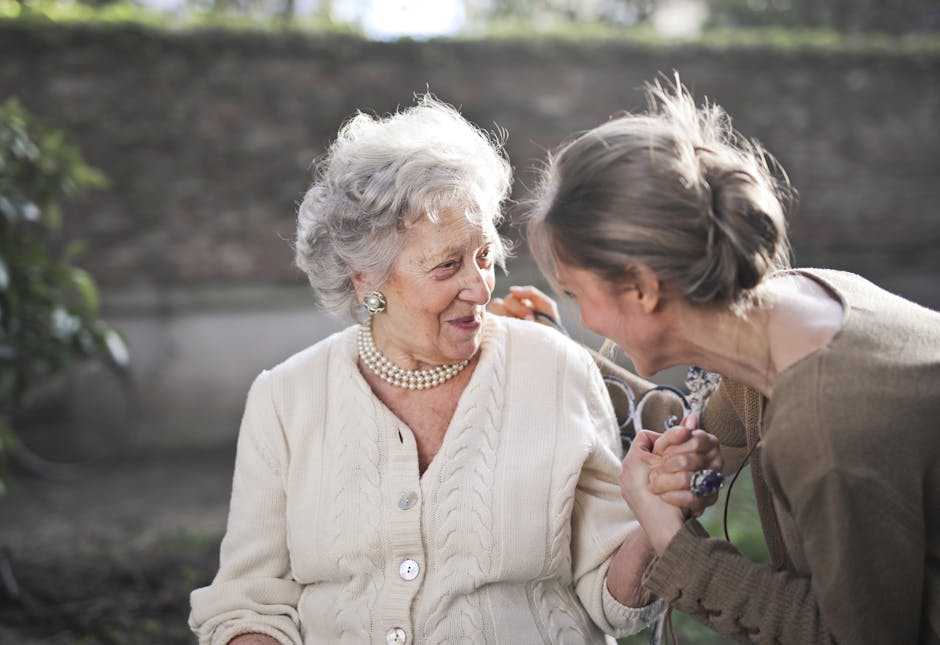
For many grandparents, stepping in to raise grandchildren isn’t something they planned for it’s something they do because there’s no other choice. But how that support plays out varies dramatically. Some families go through the formal process of legal custody or guardianship, giving them the right to make decisions about school, healthcare, and housing. Others operate in a legal gray zone informal arrangements where kids just end up staying, often indefinitely, without paperwork or court involvement. That lack of legal standing can make it tough to access benefits, enroll children in school, or get help from state services.
Emotionally, the shift can be layered. Grandparents might be grieving their adult child’s struggles while trying to create stability for the next generation. Daily life involves parenting all over again this time with less energy, fewer financial resources, and more health concerns. Then there’s the guilt, the stress, and sometimes the loneliness of falling between systems not built for their situation.
And that brings us to a deeper problem: support systems for these caregivers are slim. Most programs weren’t designed with grandfamilies in mind, and funding is scattered. Older adults raising young kids often don’t qualify for traditional foster care stipends yet still face steep costs childcare, food, school supplies, even therapy. It’s a tough road with too little help, navigated mostly in silence.
Blended and Extended Family Complexity
The rise of grandparent led households brings a set of unique emotional and relational challenges especially within blended or extended families. These families often exist in a space where roles, expectations, and loyalties are deeply intertwined and sometimes unclear.
Navigating Roles in Non Traditional Households
In grandfamilies, titles don’t always define responsibilities. A grandparent may be both a caregiver and a stand in parent, while still grappling with their traditional role. This shift can cause confusion for both children and adults:
Children may struggle to understand the role reversal between grandparents and parents
Grandparents may feel conflicted between discipline and providing unconditional support
Other family members might not recognize or respect the authority of the grandparent as a primary caregiver
Balancing Loyalty and Well being
Perhaps one of the hardest challenges is striking a balance between supporting adult children and ensuring the safety and well being of grandchildren. Grandparents often walk a tightrope:
Protecting grandchildren from harmful environments, sometimes caused by their own children
Maintaining a connection with adult children, even when those relationships are strained
Coping with guilt or shame over perceived betrayals within the family
Healing Through Communication
Misinformation or unspoken resentment can fuel long term damage in extended families. Healing often requires:
Open, honest dialogues between family members
Professional mediation or family therapy when conversations stall
A willingness to redefine relationships in new and healthier ways
Shared caregiving can spark both tension and transformation. While communication breakdowns are common, so too are moments of clarity and collective growth.
Learn More
For a deeper look at the emotional dynamics in blended families and grandparent led homes, check out this resource: Blended Family Challenges
What Grandfamilies Need
Grandparents raising grandchildren aren’t usually looking for the spotlight, but they do need practical support. Access to healthcare is one of the biggest hurdles. Most older caregivers are on limited income or disability, making it difficult to cover medical costs for themselves let alone for a growing child. Legal aid is another key need. Many grandfamilies operate without formal custody, which makes enrolling in school or accessing services nearly impossible. Getting clear, affordable legal guidance should be standard, not a luxury.
Education systems also need updating. Trauma informed teaching can make a real difference for kids who’ve been through instability. These aren’t typical student cases, and they shouldn’t be treated like it.
On the social side, community programs and peer networks go a long way in reducing isolation. A grandparent raising a toddler or teen may not feel like they fit in anywhere support groups, local meetups, and online communities offer a lifeline.
Bigger picture: laws haven’t caught up. There’s a real need for policy reform something that not only recognizes but supports grandparent led families. That means funding, legal protections, and access to frontline benefits. These families are doing the heavy lifting for the next generation. What they need in return is clarity, consistency, and real options not bureaucratic runarounds.
Looking at the Big Picture
Raising grandkids wasn’t the original plan for most grandparents but many have stepped in with courage, grit, and love. These stories aren’t rare anymore. Across the country, older caregivers are doing school drop offs, navigating teen angst, and managing modern parenting all over again. They didn’t ask for a do over. They just answered the call when family needed them.
This kind of resilience deserves more spotlight and support. Grandparent led households often go unrecognized in policy conversations and funding models. That leaves thousands of families patching together solutions that barely hold. It’s not enough to call it admirable. Structural help legal aid, healthcare access, trauma informed counselors is overdue.
Acknowledging these families also means broadening how we talk about kinship. Not all families are built the same way, and that’s okay. When we understand and support diverse family dynamics, everyone benefits. We lower stigma, create smarter safety nets, and recognize that love and responsibility come in many forms.
To explore more on navigating these layers, check out blended family challenges.