Your global campaign flopped.
Not because the visuals were weak. Not because the copy missed the mark.
Because you didn’t see the unspoken rule your audience lived by (and) no one told you it existed.
I’ve watched this happen too many times.
Teams spend months on plan, then launch into a new market only to get silence. Or worse, backlash. Over something they never even considered.
That’s not bad luck. That’s bad cultural insight.
Most so-called takeaways are recycled stereotypes or stale country reports from 2014. They don’t tell you what people do today. Just what someone thinks they do.
I’ve translated real cultural patterns into product decisions, market entry moves, and actual communication. Not theory. Not slides.
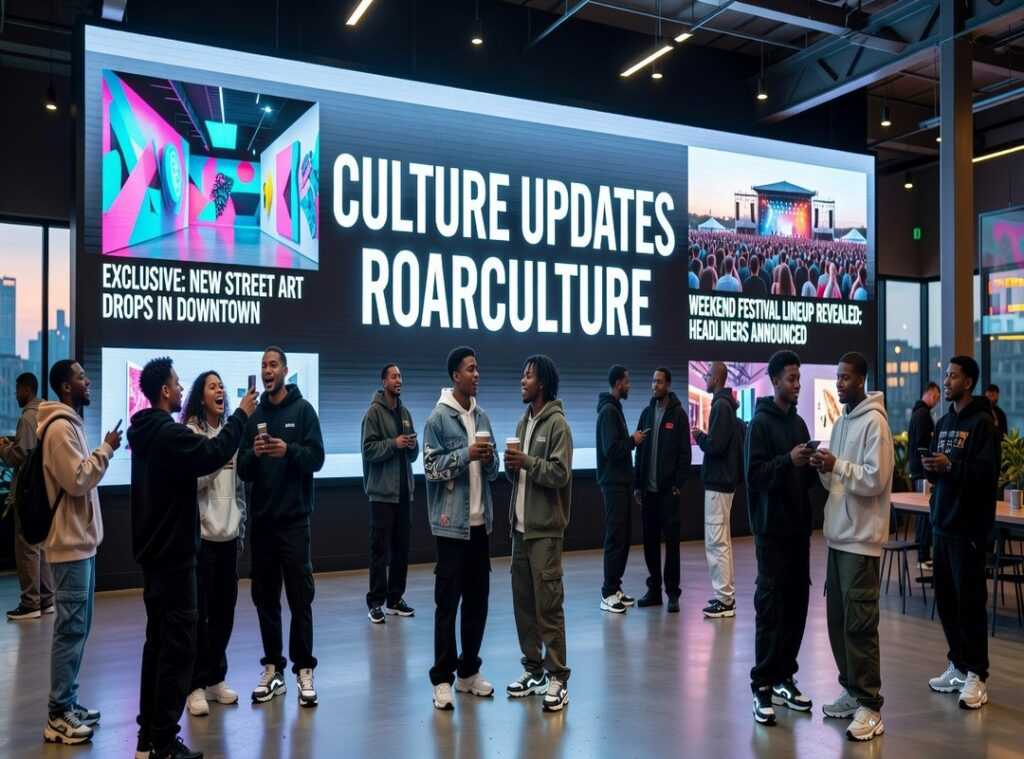
Culture Updates Roarcultable surfaces these patterns through observable, aggregated behavioral signals. Not surveys. Not focus groups.
Real behavior.
This article gives you frameworks you can use today. Human-centered. Actionable.
Built from seeing what works. And what burns. On the ground.
No jargon. No fluff. Just how to read what Roarcultable shows you (and) act on it.
You’ll walk away knowing exactly what to look for next time.
What Roarcultable Actually Measures (and What It Doesn’t)
Roarcultable is not a sentiment tool. It’s not a survey engine. It’s a behavioral signal aggregator (and) that distinction matters more than you think.
I built it to track what people do, not what they say. Ritual timing. Language adjacency.
Platform-specific engagement rhythms. Real behavior (not) self-reported intent.
Focus groups? They’re slow. They miss micro-shifts before they hit TikTok trends.
Social listening tools? They read “lol” as laughter, not exhaustion. They treat silence like absence (not) plan.
Roarcultable watches localized search co-occurrence. Why? Because when “matcha latte” and “funeral flowers” spike together in Seoul, something cultural is shifting.
It maps cross-platform content repurposing patterns. A meme born on Discord gets remixed into WeChat stickers? That’s meaning moving.
Not just spreading.
It clusters time-of-day engagement. Midnight scroll spikes in Tokyo + 3am reposts in LA = shared emotional rhythm across time zones.
It caught “quiet celebration” in urban East Asia months before brands noticed. No loud parties. Just minimalist gift boxes, hushed ASMR unboxings, soft chime sounds in ads.
That’s how real culture moves. Not in surveys. Not in polls.
Roarcultable measures the pulse (not) the press release.
Culture Updates Roarcultable isn’t about chasing trends. It’s about spotting the shift before the first influencer posts about it.
You already know this. You’ve seen it happen.
Spotting Cultural Tension Points Before They Go Viral
Roarcultable doesn’t listen for agreement.
It hunts for friction.
I watch where people say one thing (and) do another. Like searching “sustainable living” while dropping $200 on Shein in the same session. That mismatch isn’t noise.
It’s data.
Here’s how I read a tension map: Gen Z floods TikTok with Y2K filters and frosted lip gloss. Not as nostalgia, but as reclamation. Algorithms push them toward hyper-curated feeds.
So they weaponize the past to break the feed’s grip. (Yes, really.)
That’s not resistance. It’s adaptation with intent.
Misreading tension as backlash is dangerous. Sometimes it’s quiet subversion. Sometimes it’s reinterpretation.
Roarcultable’s contextual layering shows you which. By stacking search behavior, platform migration, and lexical shifts.
You need to know when it’s about to pop.
Four red flags:
- A slang term jumps from Discord to corporate press releases
- A ritual (like “getting ready with me” videos) migrates from YouTube to Instagram Reels overnight
- Meme formats get reused across age groups without irony
- Search volume spikes before news coverage (not) after
When two or more hit at once? That tension point is heating up.
Culture Updates Roarcultable gives you that signal. Before the trend report drops.
Don’t wait for the headline. Watch the gap between what people say and what they click. That’s where culture actually moves.
Turning Roarcultable Signals Into Human-Centered Decisions

I see people treat Roarcultable output like weather data. Just numbers to scan and forget.
It’s not data. It’s Signal → Story → Shift.
I go into much more detail on this in this article.
You get a spike in “shared silence” across three regions. That’s not noise. That’s your first cue.
Then you ask: What’s the story behind it? A collective pause amid overload. Not burnout.
Not disengagement. A deliberate breath.
Now (what) shifts? Design interfaces that honor cognitive rest. Not more features.
Less friction. Longer pauses between steps.
Product teams: I watched one team notice regional attention-sustaining rituals in the data. They shortened onboarding flows in Japan (where sustained focus is ritualized early) but added reflective pauses in Brazil (where rhythm matters more than speed).
Communications folks: Stop saying “help” everywhere. Roarcultable verb-noun pair analysis showed “hold space” and “tend” tested stronger in rural Midwest communities. So they changed it.
Immediately.
Weight signals by recency, consistency across platforms, and deviation from baseline (not) volume.
A loud signal that’s new and shows up on TikTok and Discord and local forums? That’s your priority.
But here’s the warning: Never isolate a single metric.
If Roarcultable flags increased communal cooking prep, you must cross-check. Is it economic constraint? Or intentional reconnection?
That’s why I always pair it with local ethnographic anchors.
You’ll find real examples of this in action in the Culture news roarcultable feed.
Culture Updates Roarcultable means nothing unless you act on it. Human-first.
Don’t improve for engagement. Improve for resonance.
That’s the shift.
Cultural Insight Traps: What Roarcultable Fixes
I’ve watched people misread culture for years. Not because they’re lazy (but) because the traps are baked into how we’re taught to observe.
Trap one: Mistaking correlation for causation. You see a slang term blow up and credit one TikToker. Nope.
That word rode decades of shifting identity. Not one person’s video. Ask yourself: What was already simmering before this moment?
Trap two: Over-indexing on what’s visible. Like noticing people skip titles. But missing why.
It’s not just “being chill.” It’s often quiet power redistribution. Who got promoted? Who stopped getting invited to meetings?
That silence is data.
Trap three: Assuming “global” means uniform. A trend labeled “community care” in Portland looks nothing like it in Bogotá. Roarcultable’s geo-tagged clustering shows those splits clearly.
No assumptions needed.
The fix isn’t more data. It’s better questions. Always ask: *What behavior is not happening here.
And who benefits from that silence?*
I check Culture Updates Roarcultable weekly. Not for headlines. But for the gaps between them.
Traditional Food is where I start when testing regional pattern shifts. Food doesn’t lie. It holds memory, hierarchy, resistance.
And Roarcultable maps all three.
You’re Done Guessing at Culture
I’ve seen too many teams burn budgets on assumptions dressed up as insight. It’s exhausting. It’s expensive.
And it’s unnecessary.
Culture isn’t a set of static traits you memorize. It’s behavior you watch. It’s language you hear.
It’s choices people make (right) now (in) real time.
That shift alone changes everything.
You don’t need more data. You need better attention.
Culture Updates Roarcultable gives you that. Not theories. Not frameworks.
Just one observable signal (clear,) current, grounded.
So pick one project you’re working on today. Open Culture Updates Roarcultable. Pull one signal relevant to your audience.
Then write one sentence: What does this behavior say about how people want to be seen, supported, or understood right now?
That’s it. No grand plan. No 90-day roadmap.
Just that sentence.
You’ll spot the gap between what you assumed (and) what’s actually happening.
Most teams never get this far.
You just did.
Start there.
Now.