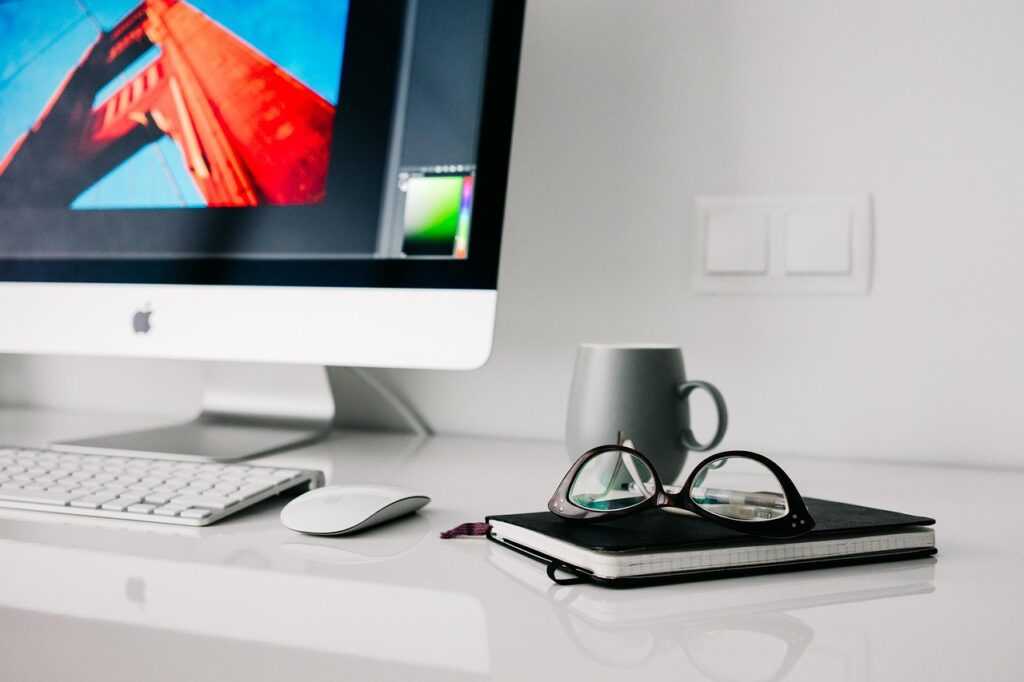
Finding Balance in a Shared Space
There’s a reason more parents are rethinking the layout of their homes life doesn’t pause when work starts, and kids don’t care about scheduled meetings. Dual purpose rooms have gone from a nice to have to a full on necessity. Whether it’s a home office that doubles as a nursery or a bedroom corner pulling double duty for late night emails, space needs to flex because schedules don’t.
Comfort and practicality aren’t just icing they’re essential. If the chair hurts your back or the lighting is harsh, you’ll feel it fast. And if the setup doesn’t flow, neither will your day. Parents need spaces that reduce friction. A room should support rest and productivity, even if that means packing in a sound machine next to your mic stand.
Most days, time and energy are in short supply especially when you’re juggling nap windows and Zoom calls. That’s why the way a space works needs to be nearly invisible: efficient, calm, and ready to support quick pivots. It’s not about picture perfect aesthetics. It’s about whether the room keeps up with your reality.
Smart Layout Strategies That Work
When you’re working on a report while also timing a nap schedule, structure keeps you sane. Zoning a shared space is less about square footage and more about purpose. First step: define your zones. Maybe the crib corner sits by the window for naps, while your desk hugs the wall with the strongest Wi Fi. Even in tight rooms, intention matters.
Room dividers like folding screens or tall bookshelves pull double duty as visual and acoustic barriers. Open shelving can softly frame your space while giving you spot storage for baby wipes or external hard drives. Rugs help, too. A soft mat under the play area draws a boundary without saying a word. Your brain just gets it.
Then there’s furniture. Skip the plastic and the clunky. Think convertible desks that close up clean. A rocking chair stylish enough to double as your reading break seat. Comfort doesn’t need to mean compromising your style. Go for materials and silhouettes that calm the room and keep it practical. Every inch should work harder, not louder.
Productivity Without Sacrificing Comfort
Balancing work productivity with the daily needs of parenting requires thoughtful design. Luckily, a few smart changes to your space can make all the difference boosting your focus while keeping the atmosphere calm and baby friendly.
Invest in Ergonomic Seating
Working parents don’t just sit for Zoom calls they’re often up late feeding or soothing a little one too. The right chair can support both worlds.
Choose a chair with back and neck support for long work sessions
Look for gentle rocking or swiveling options that double as feeding stations
Add a supportive footrest or a cushion to make transitions easier
Light That Works for Everyone
Lighting affects both your productivity and your baby’s sleep. A mix of natural and adjustable lighting keeps the room flexible for different needs.
Use soft, dimmable lamps for nighttime feedings or baby naps
Task lighting on the desk helps you stay focused without waking your child
Blackout curtains or blinds can maintain nap friendly darkness when needed
Soothing Yet Functional Decor
Your space can feel calm without losing a sense of purpose. Choose decor that contributes to both aesthetics and atmosphere.
Stick to a calming color palette: soft neutrals, gentle blues or greens
Add cozy textures think throws or rugs that also muffle noise
Keep wall art minimal and soothing rather than overly themed or busy
Creating a workspace you enjoy spending time in helps reduce stress and makes daily multitasking just a bit easier.
Storage Solutions to Save Your Sanity
The mess is real, but the solutions don’t have to be complicated. Start with baskets and bins old standbys that still pull their weight. Opt for styles with lids or labels to keep chaos at bay. Tuck them under cribs, desks, or even inside ottomans that double as seating. Hidden storage is your best friend when you’re trying to make one room do it all.
Think vertical. You’ve got more space than you realize if you start looking up. Wall mounted shelves, pegboards, and hanging organizers can hold baby monitors, diapers, wipes even work supplies all without stealing a square foot of floor space. Bonus points for adjustable setups that can change with your needs.
And here’s the golden rule: baby essentials should be within arm’s reach, not scattered across the room. A rolling cart or a simple caddy by your desk does the trick. You stay in flow, baby stays happy, and your sanity stays intact.
It’s not about having a picture perfect setup. It’s about getting through the day without feeling buried under stuff.
Real Talk: How Parents Are Making It Work
Balancing productivity with parenting is no small feat but many families are getting creative and making it work. The secret? Adaptability, communication, and letting go of perfection.
A Peek Into Real Routines
Every family setup is different, but there are common themes among those who’ve found a rhythm that works:
Jess, freelance writer + mom of one
Starts her day at 6 AM to write while the house is quiet
Takes baby breaks at predictable times to reduce stress
Uses noise canceling headphones when her partner takes over parenting duties
Akeem and Lara, remote tech workers with twins
Alternate focus blocks: one works in the morning, one takes the afternoon shift
Rely on shared calendars and visual wall schedules in the workspace
Keep toys nearby but out of the main workstation zone
These snapshots show there’s no one size fits all, but leaning into what works day to day is key.
Structuring Flexible Time Blocks
Rigid schedules don’t often survive life with babies or toddlers, but having a loose framework helps keep everyone grounded:
Plan for 2 3 focused work blocks per day, 60 90 minutes each
Pair work blocks with baby’s natural routines (naps, independent play)
Build in buffer time between tasks so one late diaper change doesn’t derail the whole day
Flexibility matters more than sticking to the clock. Realistic expectations help parents stay productive without burning out.
Dealing With Disruptions Thoughtfully
Interruptions are part of the territory but the goal isn’t to eliminate them, it’s to manage them with perspective:
Keep essentials like snacks, toys, and wipes within reach to avoid unnecessary scrambles
Schedule meetings during known quiet periods (or clearly communicate when that’s not possible)
Accept there will be off days and that’s okay
Ultimately, the most effective setups support both your professional goals and your parenting needs. The real win? Creating a space where both can coexist with a little more ease.
Want to Go Deeper?
Setting up a space that works for both parent and baby isn’t something you have to figure out alone. If you’re looking for practical setup ideas from noise soothing layouts to gear that multitasks as hard as you do check out this guide: home office nursery tips. It’s packed with no fluff advice to help you create a space that’s calm, functional, and ready for whatever the day throws at it.
Final Notes on Creating a Space That Supports You
This isn’t the season for perfection. It’s one for being honest about what you need and letting that guide how your home works for you. Flexibility matters more than any aesthetic. Some weeks your workspace will lean more into office. Others, it’s pure parenting zone. That’s okay.
Small upgrades like a better chair, soft lighting, or a bin that actually keeps things off the floor can shift your daily stress levels without requiring a full redesign. Don’t underestimate the power of a minor fix.
In the end, build around what helps you feel calm, collected, and connected. Work will get done, bottles will get cleaned, and your space will support you better when it reflects your life as it is, not some ideal that looks good on Pinterest.