Shift Toward Open Adoptions
Over the past few years, open adoption has shifted from being optional to almost expected in many placements and 2026 is doubling down on that trend. More birth parents are choosing to stay connected after placement, sometimes through occasional visits, sometimes through texts and video calls. Either way, adoptive families are leaning into honesty over distance.
This level of transparency might make some folks nervous, but it’s changing the game for adoptees. Kids benefit when they aren’t left guessing about where they came from. They get answers early, rather than filling in blanks later. That clarity boosts emotional security, fosters stronger identities, and helps normalize their story.
The takeaway for parents? Expect more openness. Agencies are encouraging post placement plans that include ongoing communication not just between parents, but between families. And that’s proving to be good for everyone involved.
Surge in Kinship and Relative Adoptions
More adoption agencies are now prioritizing placements within the birth family whenever possible. It’s a shift away from traditional adoption paths and toward keeping children connected to their roots. Whether it’s a grandparent, an aunt, or even a close family friend stepping in, this intra family dynamic is gaining traction fast. The idea is simple: stability, familiarity, and less disruption for the child.
But it’s not without complications. Kinship adoptions come with unique legal hurdles like verifying consent across multiple family members and navigating custody rights in blurred relationship lines. Emotionally, the waters can be murky too. Balancing old roles with new legal responsibilities brings challenges most agencies are just starting to address more openly. Expect more support services to emerge around these complexities in 2026.
For prospective parents not related to the child, this trend might stretch wait times or tighten eligibility in certain agency programs. Kin get the first call when a child is placed, which can shrink the pool available for non relative adoption. So, if you’re planning to adopt, start early, ask direct questions about placement priority, and be ready for the landscape to shift beneath you.
Tech Powered Matching Processes
AI is creeping into one of the most human corners of life: adoption. In 2026, more agencies are using machine learning to sort applications, screen families, and flag potential matches faster than ever. What used to take months now moves in weeks, maybe even days. Paperwork bottlenecks are being crushed by automation that learns how to match based on compatibility scores, parenting styles, and home details. It’s part timesaver, part gatekeeper.
Digital profiles are becoming the new standard. Families submit video intros, home tours, and value statements automated systems sort and screen them before human eyes even get involved. For agencies, this improves consistency and helps weed out incomplete or ineligible profiles up front.
But faster isn’t always better. Efficiency doesn’t guarantee emotional readiness or long term fit. Some worry that automation might rush decisions that need deeper reflection especially in high stakes cases involving trauma or complex family dynamics. The upside: less waiting. The downside: more room for misalignment if systems over prioritize speed.
Still, the trend’s locked in. The challenge for families is to stay authentic in a filtered process and make sure being matched quickly doesn’t mean skipping the moments that matter.
Expanded Support for LGBTQ+ and Single Parents
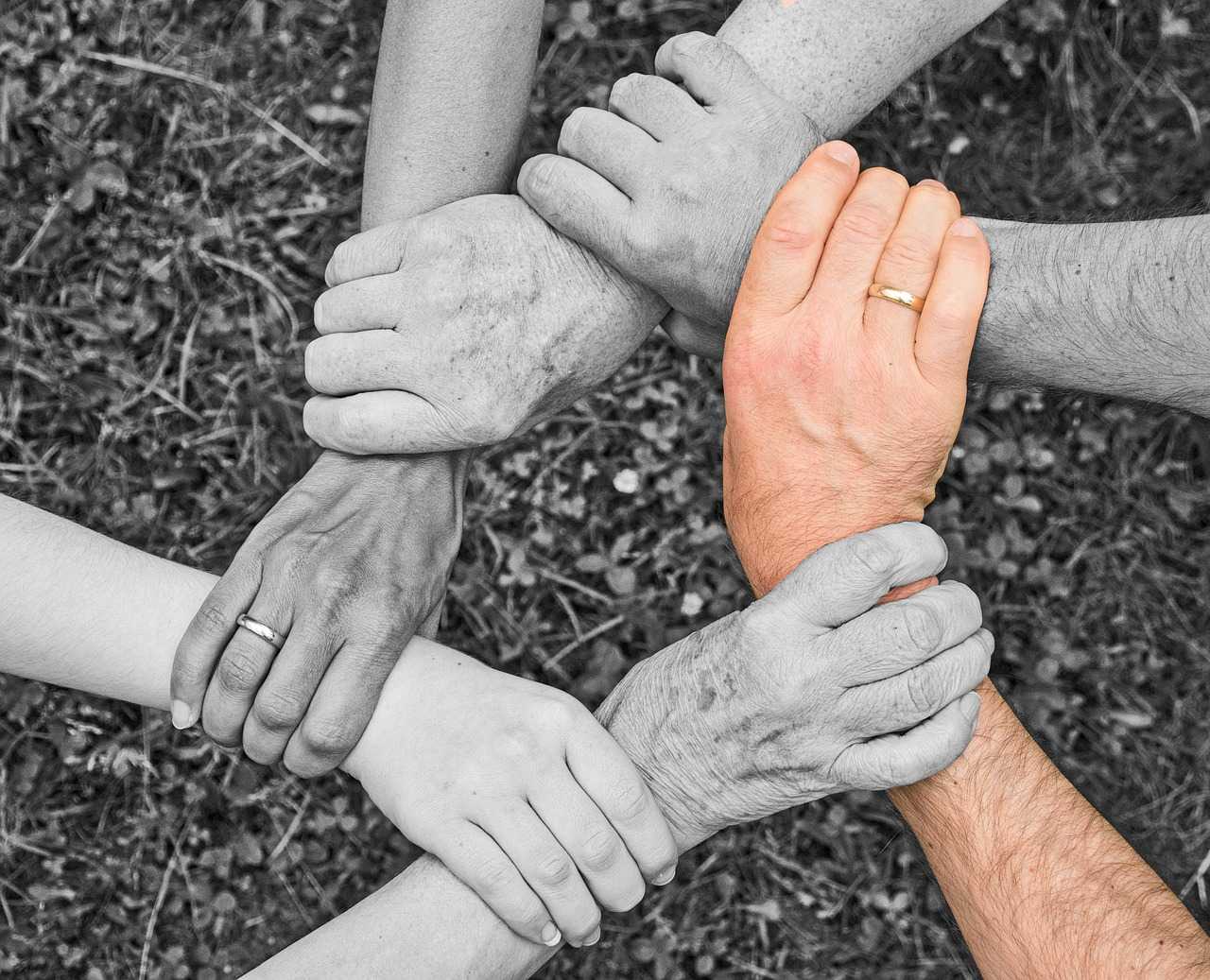
Adoption is finally catching up to the real makeup of modern families. Agencies are becoming more inclusive when it comes to matching policies, with fewer gatekeeping practices based on outdated norms. LGBTQ+ individuals and single parents are being welcomed into the process with more clarity and consistency across agencies something that wasn’t guaranteed even a few years ago.
Legal protections are also improving. More states are rolling out standardized anti discrimination laws that protect adoptive parents regardless of gender identity, sexual orientation, or marital status. This doesn’t just help applicants it signals to agencies that it’s time to treat all family structures with equal legitimacy.
On the ground level, new parent led communities are stepping up to offer post placement support tailored to these diverse family types. From peer mentorship programs to support circles led by adults who were themselves adopted into LGBTQ+ or single parent families, these networks are becoming lifelines for new parents navigating the post adoption landscape.
For those considering adoption in 2026, the note is clear there’s more space at the table now. But it’s still smart to connect with others who’ve walked the path before you, and to stay sharp on updates to laws in your own state. Progress is here, but it’s also something worth keeping an eye on.
Greater Scrutiny in International Adoptions
International adoption isn’t what it used to be. After years of criticism ranging from unethical sourcing to poor oversight, countries and agencies are responding hard. In 2026, tighter regulations are the new norm. That means more documentation, stricter vetting of both adoptive parents and sending agencies, and heavier scrutiny of the origin and consent validity in each case.
Transparency is now a mandate, not a trend. International agencies are being pushed to show their work clear paper trails, contact with birth families, and third party audits. For parents hoping to adopt abroad, this translates into longer waits, more red tape, and a demand for patience. But it also means more ethical, stable placements in the long run.
This movement builds on momentum from major policy updates in 2025, where several countries and international bodies began cleaning house. If you’re starting your adoption journey now, understanding last year’s changes is a must.
No shortcuts. No gray zones. The system is being rebuilt slowly, and with purpose.
More Focus on Post Adoption Services
In 2026, mental health support for adoptees isn’t a bonus it’s baked into the process. Agencies, parents, and policymakers are finally on the same page: adoption can come with deep emotional layers, and working through them requires real support, not just good intentions.
States are stepping up. Funding is flowing into trauma informed care, both during and after adoption. More parents now have access to therapists trained in attachment issues and grief dynamics specific to adoption. It’s not just about smoothing the transition it’s about long term well being.
Schools and local programs are also getting involved. Districts are building staff training around adoption sensitive teaching and offering social emotional resources tailored to kids navigating identity and belonging. Community integration efforts, like peer groups or family support circles, are helping adoptees feel seen and understood beyond their home life.
This is no longer a quiet side note in the adoption journey it’s a priority.
Policy Changes Impacting Adoption Costs
Rising costs have long been a barrier for many prospective adoptive parents, but 2026 is bringing encouraging signs of change. Driven by both advocacy and policy shifts, financial support is becoming more accessible and transparent across the board.
Expanded Subsidies and Government Grants
More states are allocating funds to make adoption financially feasible for a broader range of families.
New and expanded subsidies: State level programs offering monthly financial support, especially for special needs and sibling group adoptions.
Government grants: Increased availability at both federal and state levels, covering home studies, legal fees, and post placement support.
Employer based assistance: More companies are now offering adoption benefits as part of employee welfare packages.
These changes reflect a growing recognition that financial obstacles should not prevent children from finding permanent homes.
Toward Standardized Fee Structures
One of the most significant developments is the push for clearer, standardized fees across different agencies and states.
Transparency laws: New regulations require agencies to publish detailed breakdowns of fees upfront.
Flat fee structures: More agencies are moving away from variable pricing models, helping families better plan and budget.
Accountability: Audits and oversight mechanisms are being implemented to reduce hidden or unexpected costs.
This greater transparency makes it easier for families to compare agencies and reduces unpredictability in the adoption journey.
Linking Back to Last Year’s Policy Trends
Many of these financial developments tie directly into the groundwork laid by recent reforms. As discussed in 2025 adoption changes, last year’s focus was on ethical practices and accessibility. In 2026, that momentum continues, with cost reduction now taking center stage as a key piece of the adoption equity puzzle.
What Parents Can Do to Stay Ahead
Adoption rules aren’t set in stone. They shift with policy changes, agency reform, and cultural currents. So first things first stay plugged in. Whether it’s subscribing to agency newsletters, attending virtual info sessions, or bookmarking your state’s family services portal, make a habit of checking in. Legislation can change eligibility standards, timelines, and support options almost overnight. Know what’s in motion before it catches you off guard.
Beyond government channels, lean on community networks. Online forums, local support groups, and nonprofit led info hubs can offer straight talk and on the ground insight. These spaces are more than emotional lifelines they’re intel sources. You’ll hear what’s working, what isn’t, and how others are navigating the same path.
Finally, start before you think you’re ready. Paperwork takes time. So do approvals, home studies, and training certifications. And here’s the truth: the process rarely follows a straight line. Flexibility isn’t a nice to have it’s the cost of admission. Be prepared to pivot, wait longer than expected, and reassess your timeline. Those who plan early and stay engaged are the ones still standing when the phone call finally comes.