Why Green Nesting Is More Than Just a Trend
Welcoming a new baby into the world is a joyful milestone, but it often comes with an overwhelming influx of products, packaging, and waste. For environmentally conscious parents, green nesting is more than a passing trend it’s a reflection of mindful living and long term well being.
The Hidden Impact of Newborn Goods
The baby industry generates significant environmental waste: from plastic packaging to fast discarded products, the carbon footprint adds up quickly. Many commonly used items such as disposable diapers, single use bottles, and chemically treated textiles contribute to deforestation, landfill overflow, and water pollution.
Key concerns:
Single use plastics from packaging and feeding tools
Synthetic fabrics that release microplastics
Conventional crib and mattress materials treated with flame retardants or chemical finishes
Peace of Mind Through Safer, Lower Waste Choices
Switching to greener options doesn’t just benefit the planet it protects your baby’s immediate environment. Choosing chemical free, low waste essentials can reduce irritation, improve indoor air quality, and create a healthier home from day one.
Sustainable swaps include:
Organic cotton swaddles and natural fiber crib sheets
Wood furniture finished with non toxic, water based stains
Reusable cloth diapers and wipes washed with gentle detergents
Conscious Shopping Builds Lifelong Habits
Eco friendly nesting encourages thoughtfulness and intentionality values that easily translate into other aspects of parenting. From resisting over consumption to supporting ethical businesses, each small decision builds a foundation for teaching children the importance of caring for both people and the planet.
Long term benefits:
Building a baby registry with multipurpose and long lasting items
Supporting local or eco conscious businesses
Teaching children to value mindful ownership over convenience
Green nesting isn’t about perfection it’s about progress. Every sustainable choice counts, shaping not only your baby’s first environment, but also the world they will grow up in.
Sustainable Nursery Must Haves
The nursery is ground zero for eco conscious choices. Start with the crib. Look for ones made from FSC certified wood, which comes from responsibly managed forests, or opt for reclaimed wood to give old materials new life. Skip anything coated in mystery finishes or plastic veneers. Simpler is better.
Next up: the mattress. Labels like GOTS (Global Organic Textile Standard) and MADE SAFE actually mean something here. These certifications tell you the materials are organic and free from toxic off gassing a big deal for newborn lungs.
Swaddles and sleepwear also matter more than most parents think. Stick to organic cotton or bamboo, preferably dyed using low impact or plant based dyes. Why? Babies spend most of their time wrapped in this stuff. It pays to keep things breathable and chemical free.
Lastly, don’t forget air quality. Skip traditional paints and choose zero VOC or low VOC options for nursery walls. A fresh coat shouldn’t mean volatile chemicals floating in the air for weeks. The right paint keeps the vibe clean without overpowering the room or your kid’s tiny, developing system.
Forget the gimmicks eco friendly baby gear doesn’t have to be complicated. It starts with smarter choices in the basics.
Reusable cloth diapers are making a comeback for solid reasons: they cut down drastically on landfill waste and save money over time. Pair them with plant based wipes biodegradable, gentle on skin, and free from harsh chemicals and you’re already reducing your daily plastic output.
Feeding time matters too. Switch those clunky plastic bottles for BPA free glass versions. They’re more durable than you’d think, safer in the long run, and often easier to clean. Silicone tools like bottle nipples and feeding spoons offer flexibility without the toxins.
When it comes to bathing, less is more. Minimalist bath gear focuses on function. Look for rinse cups, thermometers, and tubs with fewer parts and no gimmicks all made from responsible materials like recycled plastics or non toxic silicone. You don’t need a dozen tools lined up on the tub’s edge. Just the right ones, built to last.
Smart Choices for Small Spaces
Babies come with stuff lots of it. But a conscious nesting setup doesn’t have to mean drowning in baby gear. The goal: fewer, smarter, longer lasting things.
Start with furniture designed to adapt. Cribs that convert into toddler beds, dressers that double as changing tables, and high chairs that shift into kid sized chairs. These reduce waste and save space. Aim for quality over quantity and pick pieces that serve more than one purpose.
To keep clutter in check, resist the urge to overbuy. Registry guides can push you toward stacking duplicates or gadgets you’ll use once. Instead, focus on daily use items and skip gear that solves temporary problems you don’t actually have yet. Borrow or swap occasional use items with your community.
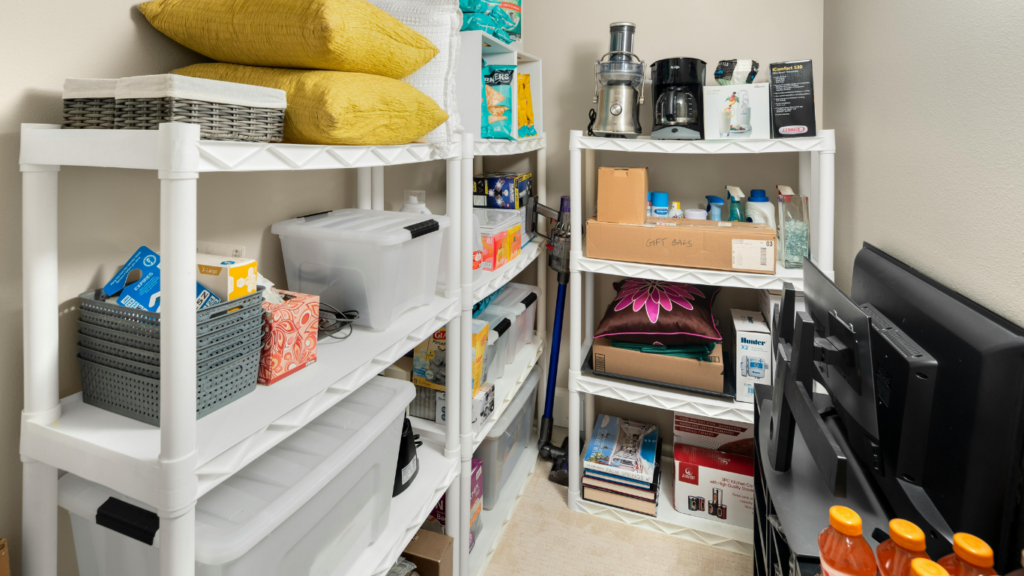
Finally, stay organized from the beginning. Use vertical space wall shelves, hanging baskets, over the door organizers. Label storage bins, rotate toys, and schedule mini declutters monthly.
For more practical tips, check out this guide to smart storage solutions.
Repurposing, Recycling, and Upcycling Tips
Not everything baby related needs to be bought brand new. In fact, some of the best items to thrift or source secondhand are the ones babies barely use before outgrowing: think gently used clothes, high quality bassinets, wooden toys, books, and even baby carriers. These are items that hold up over time and can often be found in like new condition for a fraction of the cost.
That said, not everything is fair game. Avoid used car seats unless you’re 100% sure of their accident history and expiry date. Steer clear of cribs that don’t meet current safety standards or have been recalled. Also skip older plastic feeding items these may contain outdated BPA or phthalates. When in doubt, double check product recalls and age ratings.
Community swaps and pass it down culture are making a comeback, especially in eco conscious parenting circles. Local Facebook groups, parent co ops, and neighborhood swap events keep gear in use and out of landfills. Even better? They build connections and reduce impulse buying. It’s more than just practical it’s sustainable parenting in action.
Low Waste Feeding & Diapering Strategies
Feeding and diapering a newborn come with constant repetition meaning they also come with high waste potential. But a few smart swaps can make a serious difference.
Start with feeding. Disposable nursing pads seem convenient, until the waste stacks up. Reusable cloth or bamboo nursing pads are both gentle and washable no landfill guilt required. When it comes to pumping, more brands now offer breast pumps made with recyclable and BPA free parts. Some even run on solar powered charging docks if you want to go all in.
Next up: diapers. The average baby goes through thousands in their first year alone. Compostable options, especially those paired with a local pick up service, are a game changer for urban families. They get used, collected, and processed into soil instead of trash. Not all compostable diapers are created equal, though look for certifications and transparency.
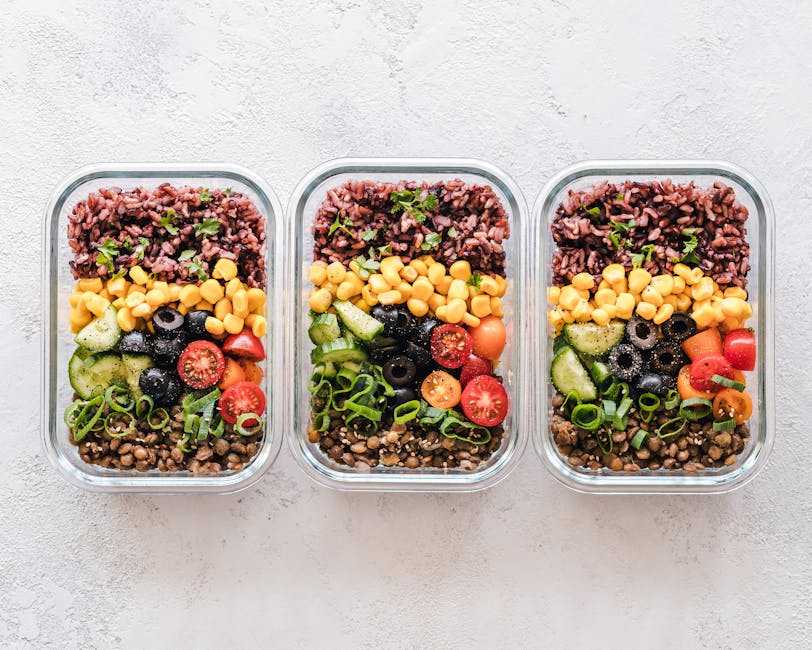
Finally, rethink how you prep baby meals. Silicone storage bags are quickly replacing disposable plastic containers for good reason. They’re freezer and microwave safe, they last forever, and they’re easy to clean. From batching purees to keeping snacks fresh during stroller marathons, they make low waste living simple and doable even on your most tired days.
Long Term Mindset Over Shortest Term Use
Babies grow fast. Too fast. That’s why conscious parents are shifting their mindset from sprint to marathon thinking beyond the newborn weeks when making purchases. The idea is simple: buy less, but buy better.
Start by choosing gear that adapts. Cribs that convert into toddler beds. High chairs that become booster seats. Clothing bundles that run in multi size increments. Every multi stage item saves both money and materials while cutting down on clutter.
When building a registry, prioritize items that scale with your child. Ask for gear you’ll actually use six months, a year, even two years in. Think toddler utensils over newborn sized bottles, learning toys over blinking plastic distractions. Less landfill, more function.
Finally, make sustainability a lesson from day one. Talk about why you chose cloth diapers or skipped battery powered gear. Kids absorb more than we think. Modeling mindful choices early sets a tone they’ll carry into their own lives without ever needing a lecture.
Storage That’s Sustainable and Stylish
You don’t need plastic bins stacked to the ceiling to stay organized. Storage can pull its weight without trashing the planet or your sense of style. Start with eco conscious materials. Seagrass baskets fit almost any decor and are biodegradable. Canvas bins are flexible, washable, and hold more than they look like they should. Bamboo? Lightweight, durable, and renewable. Unlike synthetic stuff, these picks age well and feel good to use.
Shelving matters too. Invest once in shelves that can shift heights or layouts as your kid grows. A unit that starts out holding picture books and swaddles can later store art supplies, then science kits. Flexibility wins.
And for families short on square footage: go vertical, go under bed, go compact. Wall hooks, hanging organizers, and stackable bins that slide into closets these make the most of the space you’ve got. It’s not about adding more. It’s about making every inch work smarter.
Want to take this idea further? Dig into small space storage.